

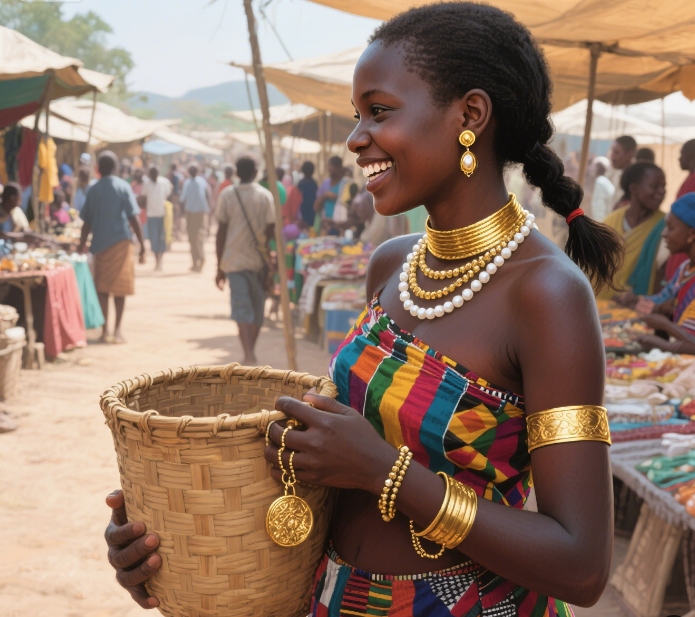
Jewelry is a "must-have" in traditional rituals in Africa, not just for decoration. The "functional" aspect stems from traditional rituals.
In Yoruba wedding ceremonies in West Africa, the groom presents the bride with a gold necklace ("Ileki") as a symbol of family ties.
The metal collars of the Maasai tribe in East Africa, which serve as symbols of coming of age and victories in war, must be made from materials that are strong enough to withstand the nomadic lifestyle.
In some traditional ethnic groups, functionality often takes precedence over aesthetics.
The degree to which prices align with consumer purchasing power;
In African markets, there are multiple layers of consumers, with a high proportion of low- and middle-income groups who are extremely price-sensitive; pure gold, due to its high price, can only be afforded by a small number of elites.
On the other hand, gold plating, alloys, and other budget-friendly materials are more popular due to their "low price + visually similar to gold" appeal; when making decisions, people tend to prioritize whether the "unit price can cover the need for multiple wearings" (such as for decoration during daily work or market transactions), and avoid "paying extra for brand value".

Durability and environmental adaptability;
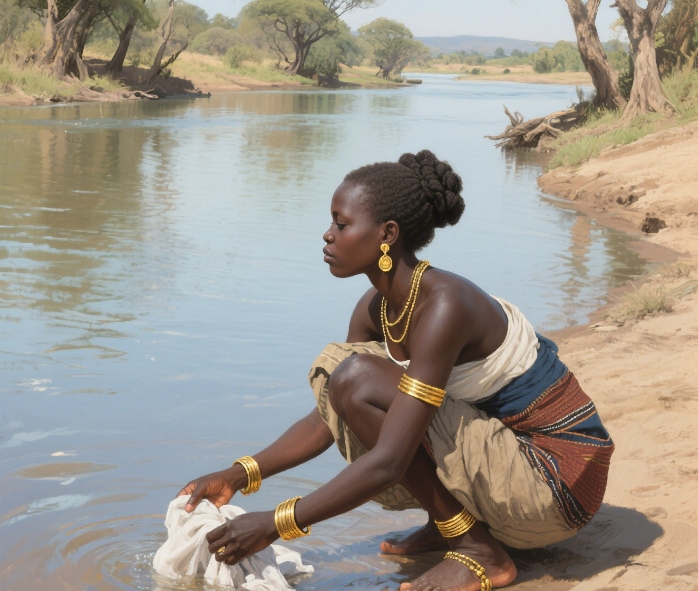
In most parts of Africa, the climate is hot, and people often engage in outdoor activities such as farming and herding, which means that jewelry must be able to withstand sweat, abrasion, and other forms of wear and tear.
Therefore, "material hardness" (such as the thickness of the gold-plated layer or the wear resistance of the alloy) and "anti-corrosion properties" are crucial factors to consider—for instance, a plating layer that easily fades would be deemed "unpractical," making it unacceptable even if the design is aesthetically pleasing.