

On the festival, the Yoruba Muslims got up early and dressed in traditional costumes to go to the mosque to attend morning prayers. Men usually wear loose robes and delicate hats;
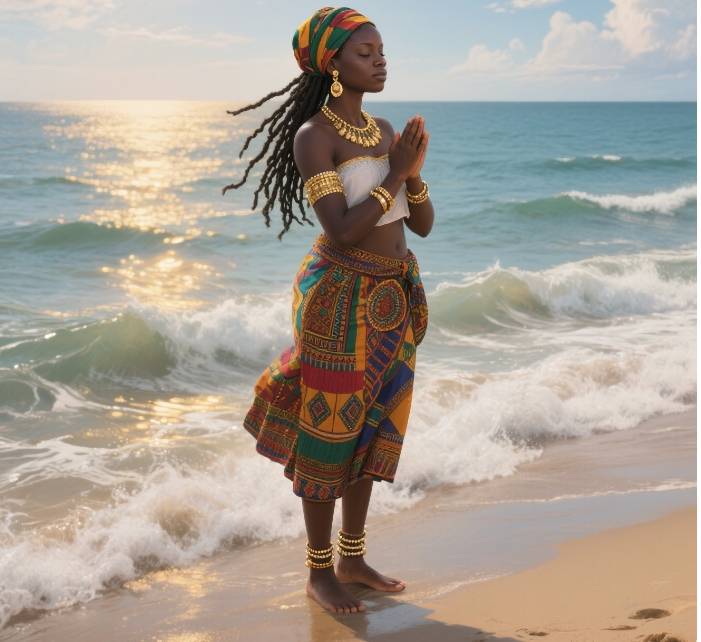
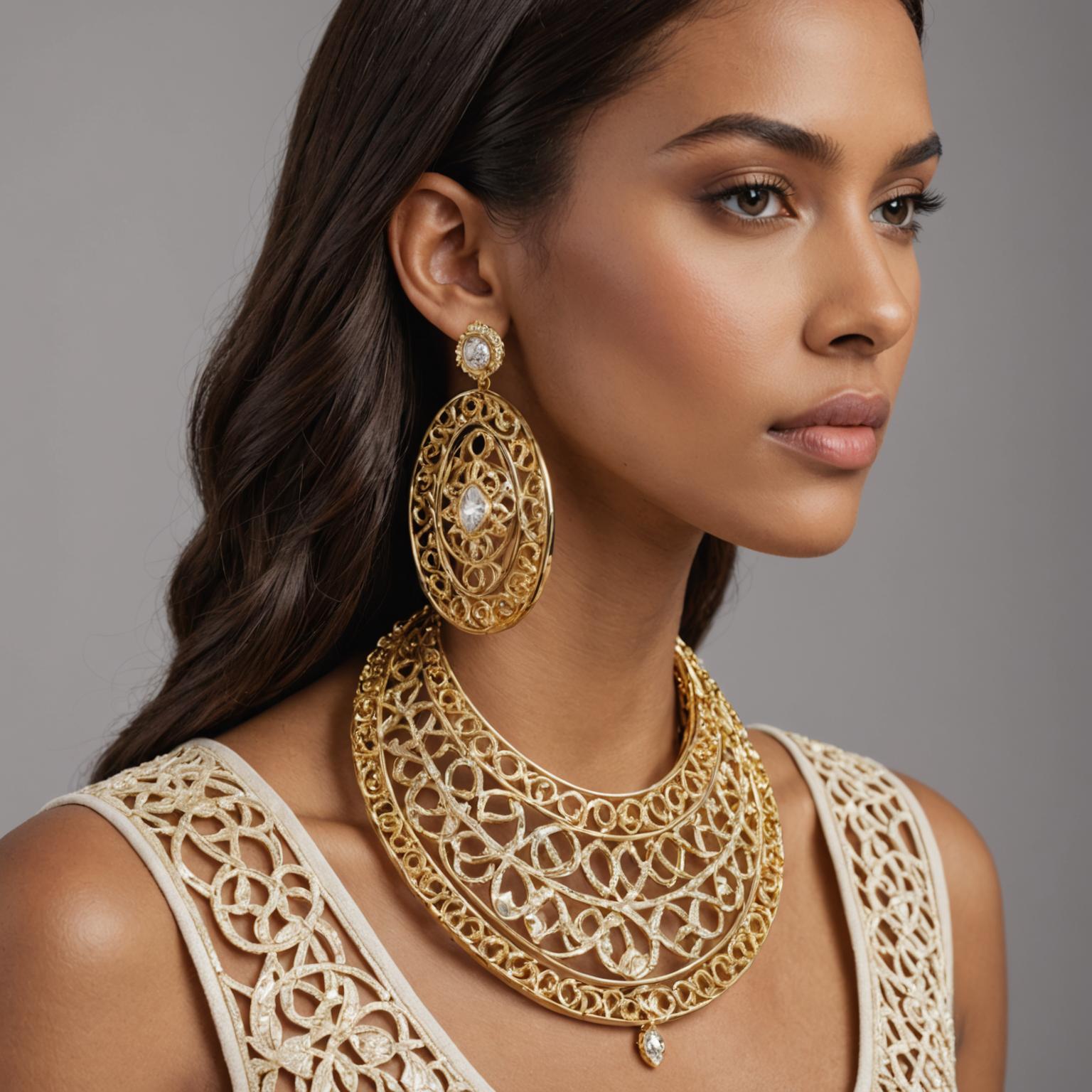
The women were dressed in colorful and exquisitely patterned clothes, wearing various traditional jewelry, which shone brightly. The prayer ceremony was solemn and dignified, and everyone was piously grateful to Allah and prayed for peace and smoothness in the new year.
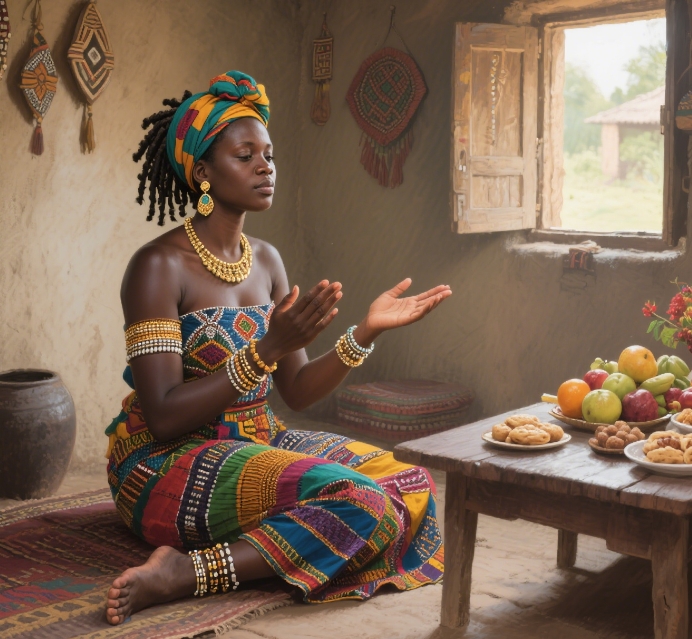
After the prayer is over, people will ask family and friends for forgiveness, resolve past conflicts and misunderstandings, and strengthen their emotional bonds. Afterwards, they will go to the cemetery to worship their ancestors, commemorate the deceased, and express their respect and longing for their ancestors.
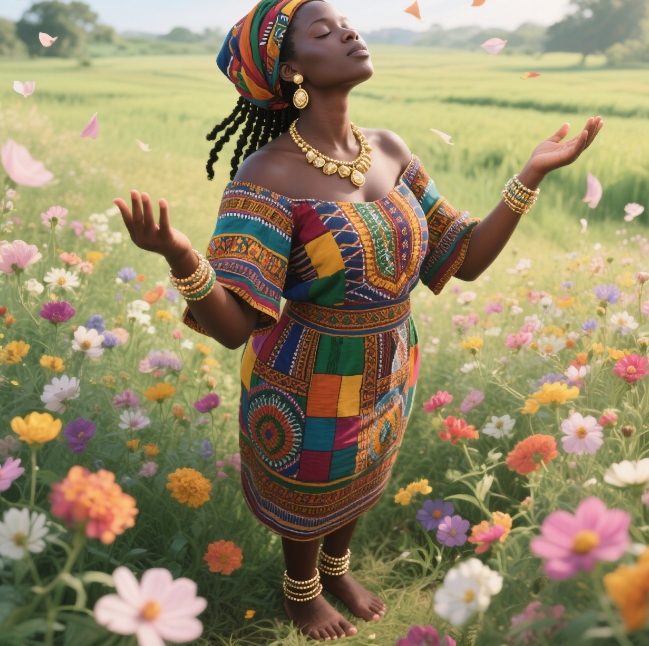
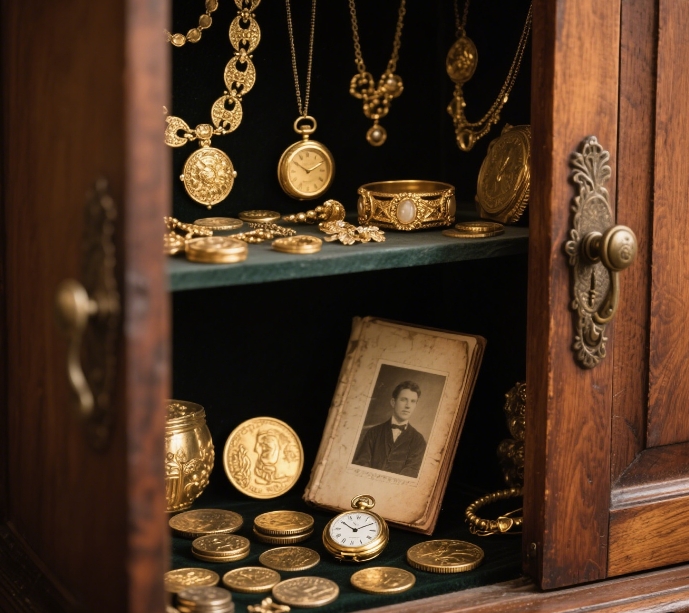
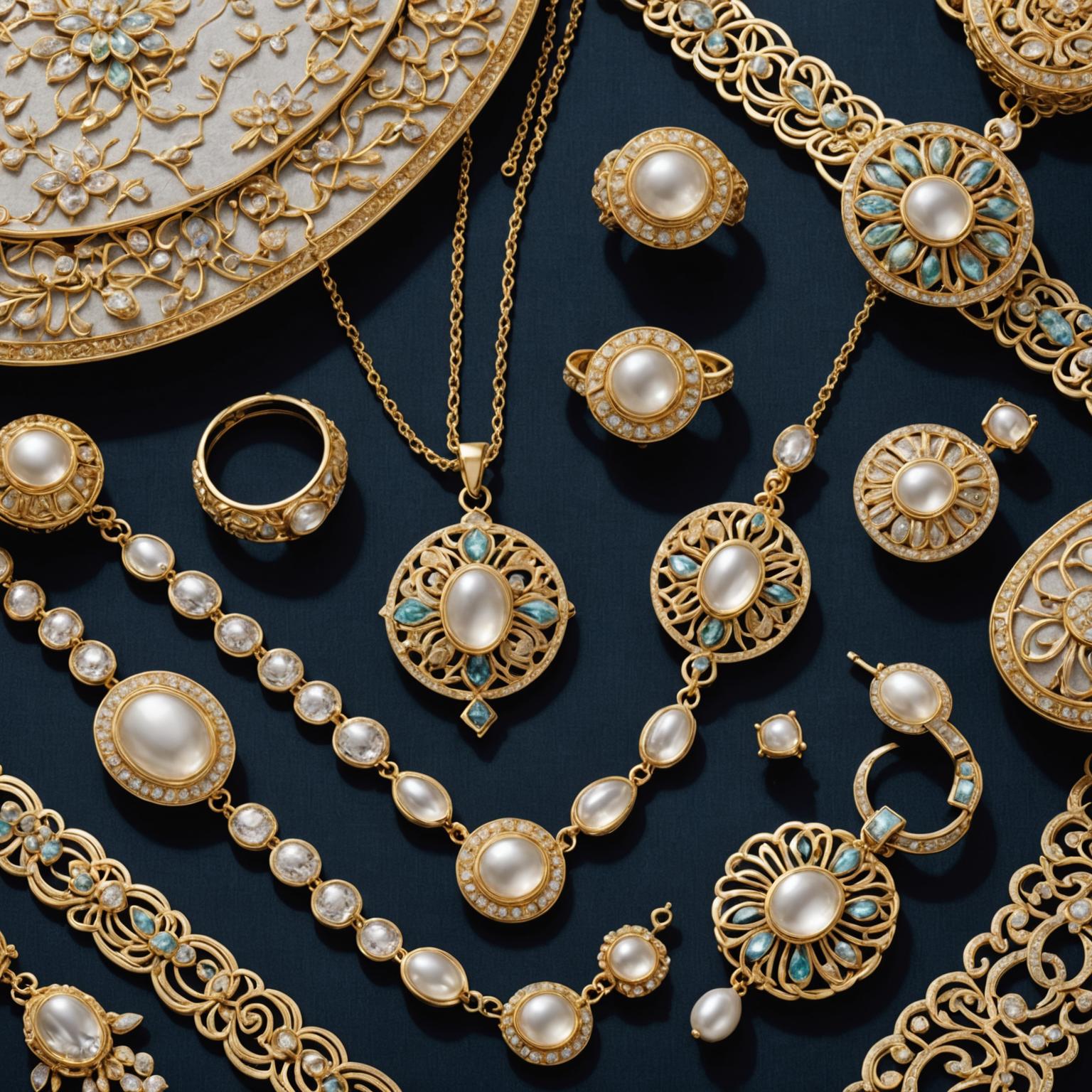
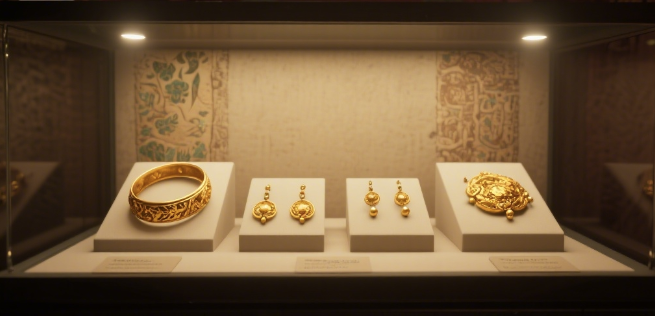
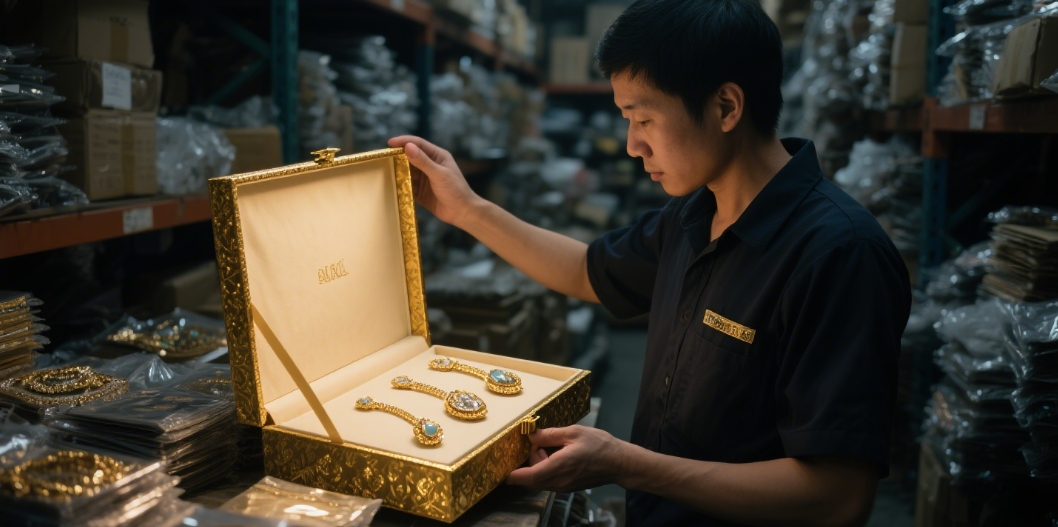
In the daily life of the Yoruba people, the gilded four-piece jewelry is very popular. The four-piece set usually includes necklaces, bracelets, earrings and rings. The Yoruba people have strong daily demands for it, with a quantity of up to 500 sets.
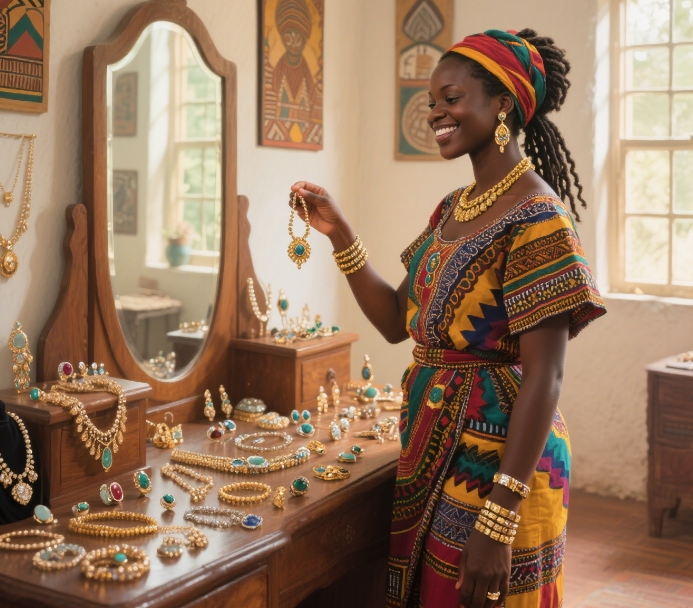
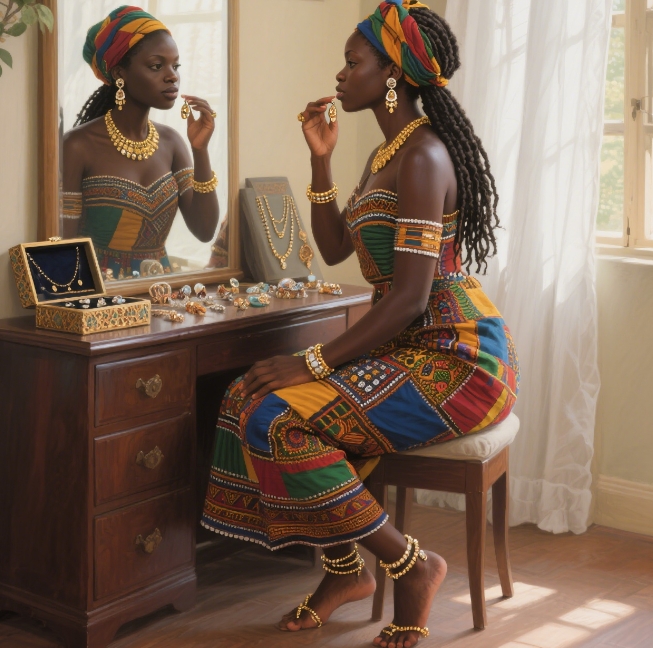
These jewelry are not only decorations, but also contains cultural implications. They often use unique African-style patterns and designs, such as geometric figures that symbolize power and prosperity, or animal shapes representing ancestor gods.
The gilding craftsmanship makes the jewelry shine with a charming luster, and it can show the Yoruba people's pursuit of beauty and the inheritance of traditional culture, whether in daily wear or in important festivals and celebrations.